En bref
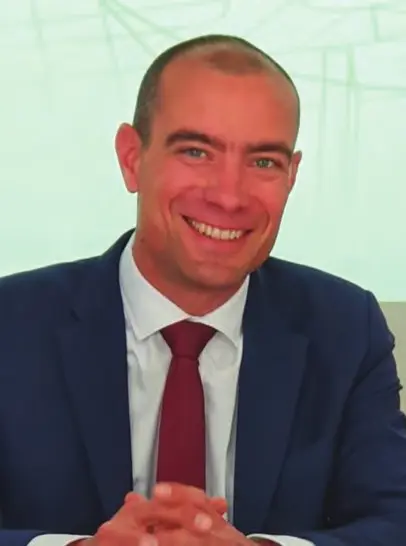
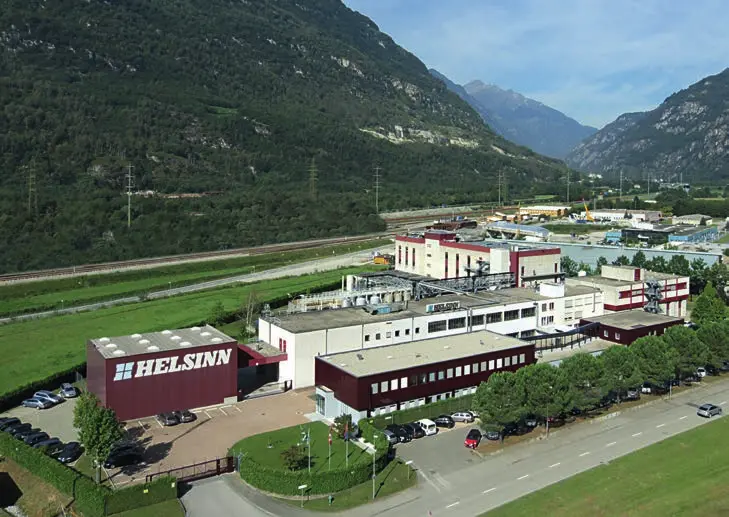
Groupe pharmaceutique familial fondé en 1976 et basé à Lugano, Helsinn se consacre aux soins de support en oncologie, avec des filiales aux États-Unis et en Irlande et un bureau en Chine. Son CEO Riccardo Braglia explique un modèle de licences intégré : acquérir des molécules en phase précoce, les développer jusqu'aux homologations FDA et EMA, les produire puis les commercialiser via des partenaires, avec un taux de succès d'environ 70 %. Il cible les effets secondaires des traitements, comme nausées, cachexie ou mucite, et mise sur Akynzeo (NEPA) et sur l'anamoréline, qui pourrait devenir le premier médicament ciblé contre la cachexie cancéreuse. Environ un quart du chiffre d'affaires va à la R&D. Le groupe produit des principes actifs à Biasca et des médicaments finis à Dublin.
Texte rédigé avec l'aide de l'IA à partir de l'édition imprimée du magazine. En savoir plus
« Every year we spend in the range of approximately a quarter of revenues on R&D investment. »— Riccardo Braglia
L'interview intégrale
Helsinn is a family-run, privately-owned pharmaceutical group focused on building quality cancer care with a worldwide presence built over nearly 40 years. Helsinn develops, manufactures and supplies a range of innovative products and services to improve the health and quality of life of every person affected by cancer.
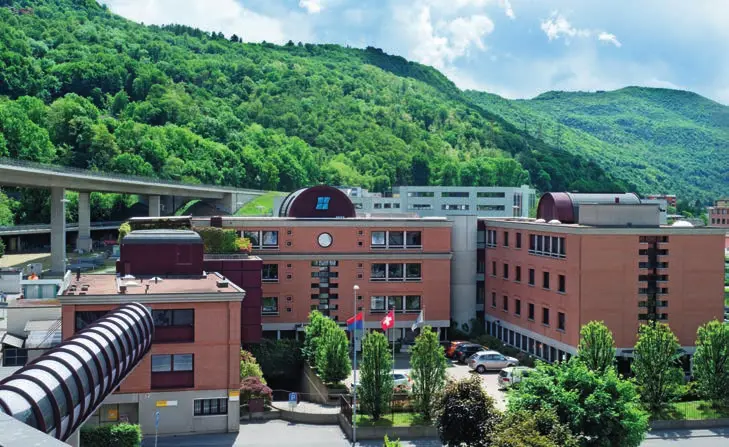
Founded in 1976 and headquartered in Lugano, Switzerland, Helsinn has operating subsidiaries in the US, in Ireland and a Representative Office in China. The business model is focused on developing, filing, manufacturing and licensing pharmaceuticals, medical devices and nutritional supplement products worldwide in cancer care. Helsinn also has GMP facilities in Switzerland and Ireland where they are able to manufacture their products.
We at Swiss Know How magazine had the chance to speak to the CEO, Riccardo Braglia, and wanted to find out more about the business and really understand Helsinn’s focus on cancer supportive care, the business trends in licensing, Helsinn’s innovation and R&D pipeline as well as their world class manufacturing facilities and chemicals business.
As the range of debilitating side effects grows, so too does the list of opportunities. What side effects or diseases are you looking at?
Riccardo Braglia: The side effects that we are looking to find new treatment options for are mainly: Chemotherapy-induced nausea and vomiting, cachexia, mucositis, chemotherapy induced diarrhea, chemotherapy-induced pruritus, chemotherapy induced peripheral neuropathy, neuropathic pain, anaemia, cancer related fatigue, hand and foot syndrome, radiotherapy induced skin reactions and opioid induced constipation.
Will licensing or innovation through R&D be the key driver behind your move in to this market?
Riccardo Braglia: In-licensing has been and will remain the main way we identify new opportunities. Helsinn’s model has always been Integrated licensing, which means in-licensing drugs at an early stage of development (Phase I/II and pre-clinical), then planning and executing the development, filing and obtaining the FDA and EMA approvals, manufacturing the API and the drug product and then selling the product worldwide through a network of established out-license partners.
anamorelin, the next drug you hope to reach the market, is currently being assessed by regulators; do you believe it will be the first targeted drug on the market for cancer cachexia?
Riccardo Braglia: Yes, we believe that if approved, anamorelin may become the first targeted drug for managing symptoms related to issues in cancer anorexia and cachexia in non-small cell lung cancer patients. The drug will hopefully satisfy an important unmet so far medical need which affects almost 50% of cancer patients. To date, there is no approved treatment that has demonstrated strong and sustainable efficacy.
What sort of competition is there in this market?
Riccardo Braglia: The main treatments that are known to be used in this setting include steroids, special nutrition and megestrol acetate, however these have been proved to have very limited results in terms of efficacy and also cause serious side effects. There are also other drugs in development for cancer cachexia but they are still at an early stage. Helsinn is also developing a second generation ghrelin receptor agonist targeting this debilitating illness.
How easy is it to find products for in-licensing, given the competition?
Riccardo Braglia: When we started almost 40 years ago we were one of the few companies whose business model was centred on in licensing at a global level. Today, almost all pharma and biotech companies are engaged in In-licensing, making it more difficult and expensive to find new opportunities. Helsinn has a great track record in developing drugs from an early stage and world-class expertise and our success rate to market is in the range of 70% which is much higher than industry standards. Moreover our reputation with partner and regulatory authorities makes us the partner of choice.
What makes a good partner for In-licensing and how does that differ for Out-licensing?
Riccardo Braglia: A good licensing-in partner could be a multinational company that would like to divest its own technology, such as Roche, 3M and Novo Nordisk etc. They need to be confident that the partner will invest seriously in the development and marketing, returning them royalties and milestones. Helsinn has done exactly that in the past for big pharma companies as well as highly innovative biotechs, such as Zealand Pharma and IS Pharma, etc.
A good partner for licensing-out is a subsidiary of a multinational company or a local pharma that has a performing sales team. Knowledge of the therapeutic area and of the local market, as well as the ability to access the market and a determination to invest in our drug locally for a long period of time, are all key characteristics we look for.
Other key factors when determining who to partner with is the reliability, our established relationship as well as having an excellent reputation for delivering on what they say.
Why do you choose to license drugs when you can make better margins on taking the drugs forward yourselves?
Riccardo Braglia: Historically we have decided to sacrifice margin to remain focused on research and development activities in Switzerland, Ireland, US and recently in China. Out licensing also allow us to have an early return on our investment in clinical development through milestone payments we receive from partners. We also reduce the risk by sharing it with our network of partners. Recently we decided to enter the US market directly with our oncology sales force and supplement this by co-detailing our products with our historic partner Eisai, and, from next year, we will move into co-promotion and then full commercial rights for the next generation of drugs such as, if approved, anamorelin.
What does the manufacturing business produce?
Riccardo Braglia: We produce APIs, High potency APIs and Cytotoxic small molecules, both for our development and commercialisation but also for third party clients in our state of the art chemical plant in the south of Switzerland. In Dublin, Ireland, we have a finished drug plant that also works as a logistics platform from where products are delivered to more than 90 countries in the world. Our plants comply with all high standards of quality, safety and sustainability and have been approved by several agencies, including Swissmedic, EMA and FDA.
Where do you sell the Active Pharmaceutical Ingredients that you produce for third parties?
Riccardo Braglia: Our partners are major new pharma and biotech companies based mainly in US and Japan. Our major markets are US, Japan, Switzerland and Europe.
How much do you spend on R&D each year and what future commitments can you give?
Riccardo Braglia: Every year we spend in the range of approximately a quarter of revenues on R&D investment between the internal organisation and external CROs. We have a five year plan that is targeting an equal level of expenditure across all three geographic areas of Europe, US and Asia.
What do you see as the most compelling long-term product growth opportunities in Helsinn’s own pipeline and in cancer care more generally?
Riccardo Braglia: We believe that our next-generation chemotherapy-induced nausea and vomiting product (NEPA) (approved in US as Akynzeo®) is a great growth driver due to the fact that it is a fixed combination that has shown the best in class efficacy. The next near term growth driver will hopefully be anamorelin that will with high probability, if approved, solve a key unmet medical need with particular support of cancer cachexia.
Tell us how you are contributing new research and intellectual property to the market?
Riccardo Braglia: We have a leading platform of ghrelin agonists that could serve different potential indications from anorexia to obesity as well as other forms of metabolic illnesses.
What do you see as the key growth drivers in this part of the business?
Riccardo Braglia: The key growth driver for the future will be new investments in high technology equipment, new processes, and new standards of quality and higher levels of customer service support as well as diversification in new developing markets.
What sorts of synergies does the chemicals business generate for a group focused on pharmaceuticals which in licenses a significant amount of products?
Riccardo Braglia: Our chemical business has an excellent reputation locally and at a national Swiss level. We are able to target early stage compounds and start-up companies that need to develop and manufacture a new chemical compound and therefore we can have access to new opportunities for the pharmaceutical in licensing business of our group.
Regulatory standards are becoming more onerous, how does Helsinn make sure that its R&D is of the highest standards and delivering results?
Riccardo Braglia: Helsinn’s quality and compliance standards have always been the highest, and have been recognized by health authorities over many positive inspections on all our different sites. Helsinn has also received different awards for our quality and the safety of our work. We employ some of the most qualified experts in the industry to work within Helsinn. Our regulatory and quality assurance team is excellent.
Interview publiée en anglais (p. 46-47) et en italien (p. 48-49), sans version française ; version anglaise conservée (la version italienne présente une phrase tronquée).
Texte paru dans Swiss Knowhow – Santé • Gesundheit 2015, p. 46-47. Retranscrit de l'édition imprimée avec une assistance informatique (IA), sans réécriture ; en cas d'écart, la version imprimée fait foi.
Personnes citées
- Riccardo BragliaCEO
- Paola BonviciniHead of Communication & Press Office

Paru dans
Swiss Knowhow – Santé • Gesundheit 2015
2015 · page 46-50 · article original en anglais
Signaler une erreur Lire l'article complet PDF